Champions of Diabetes Care
Learn why health professionals within the diabetes care and education community have chosen to support people living with diabetes and further their own careers by earning the CDCES and/or BC-ADM credentials.
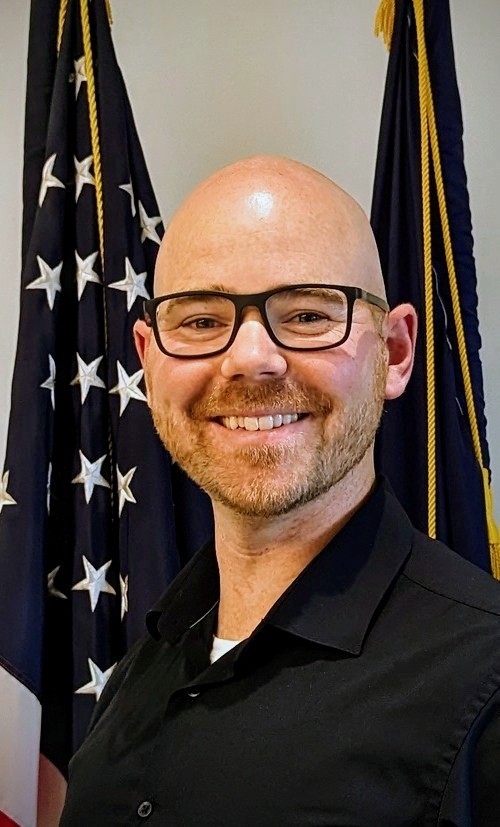
Jeffrey Glynn BSN, RN, CDCES®,
Proud CDCES since October 2023
Jeffrey Glynn's Journey to CDCES Certification
Why did you become CDCES certified?
My journey hasn't been a straight path; it's been a long, uncertain process that ultimately deepened my understanding of the importance of compassionate care, inspiring others to see the human side of diabetes management.
In high school, I was fortunate to live with my grandparents. However, I watched them struggle to manage their diabetes. While my grandparents often knew what medications they took, they didn’t understand how these medications helped their condition. No one explained the best foods and activities to balance their blood sugars, which led to worsening A1C results and more medications. Eventually, they were both put on insulin, but without the right balance of nutrition, movement, and support, this proved disastrous. Neither of them is alive today. That experience sparked something in me and inspired my mission to help others, which led me to join the military.
After enlisting in the United States Army, I was trained to become a licensed practical nurse, a path that eventually led to my career with the Department of Veterans Affairs (VA).
Over the next eight years, I worked in a long-term care unit and in a mental health and addiction program. I was also commissioned as an Officer in the Army Reserve and attended school to earn my associate and bachelor’s degrees in nursing. On my journey to becoming a registered nurse (RN), I discovered Continuous Glucose Monitor (CGM) technology. I was fascinated by people with diabetes wearing a sensor that provided continuous blood sugar readings. This fascination led me to pursue CDCES certification.
What motivated you to pursue your CDCES?
Early in my career as an RN, I was fortunate to have Karen Zapka as a mentor, whose kindness and professionalism inspired me to pursue CDCES certification and showed me the power of guidance and support.
Has holding the CDCES provided you with additional professional opportunities?
Yes, holding the CDCES credential has led to additional professional opportunities. First, the credential bolsters my confidence to interact with medical providers and executive leadership teams, making me more likely to speak up during important meetings. I am also inspired to advance my knowledge and stay curious about updates each year. The credential also gives me confidence, which has led to opportunities to chair committees and join national workgroups to improve the lives of people living with diabetes, fueling my sense of purpose and my desire to be part of something bigger than myself.
What would you say to someone considering certification?
It's worth the investment in your career to get CDCES certified, especially as a nurse. It shows your dedication to your practice and expertise in your chosen profession. There are great resources available from CBDCE, ADCES, and Diabetes Education Services to help you prepare for the exam. Once you prepare and ensure you have the required hours, go for it - because you’ve got this!
Share an achievement or special moment you’ve had after earning certification.
Special moments happen often in my practice, from lived-experience comments to the gratitude of the Veterans I serve. I find joy in others' achievements, like when a Veteran’s A1c goes from 13% to 7%, or when I hear confidence in a Veteran’s voice as they talk about engaging in self-care behaviors to manage diabetes successfully. Looking back, the struggles my grandparents faced with their diabetes planted the seed that grew into my mission; my military career provided the training and discipline; and my ongoing dedication as a nurse and CDCES continues to fuel my purpose of making a lasting impact in the lives of those I serve.